
State debt in exchange for ‘green’ enterprises
-
 Reading time: 2 min
Reducing Ukraine’s debts through “green” enterprises? It turns out this is possible!
👉The “debt for climate” concept (debt-for-climate swaps, DfC) first appeared back in the 1980s. Its essence is that the creditor writes off a certain share of state debt in exchange for the debtor country’s commitment to invest funds in climate projects, in particular in “green” energy.
Clearly, both sides benefit. The debtor country spends funds on green investments, which promotes economic growth. And through their actions, creditors increase the likelihood of repayment of the remaining debt.
In general, there are two models — basic and tripartite. The first involves direct dialogue between the country and the creditor on debt repayment. Under the second, an intermediary — usually in the form of non-governmental organisations — is involved in the debt write-off process.
The application of the “debt for climate” concept is currently supported by the UN, and discussions on this issue are ongoing at the World Bank and the IMF. The concept is also relevant for Ukraine.
📌During the full-scale invasion, Ukraine’s state debt has grown to almost 80% of GDP. As of April this year, it stood at 124.2 billion dollars. For now this figure is not catastrophic or unmanageable. But the post-war period awaits us, when it will be necessary to seek out instruments that could help reduce the debt burden — restructuring, possibly partial write-off of the debt principal or interest, and other combined instruments. That is why “debt for climate” looks like a fully workable and beneficial mechanism for our country.
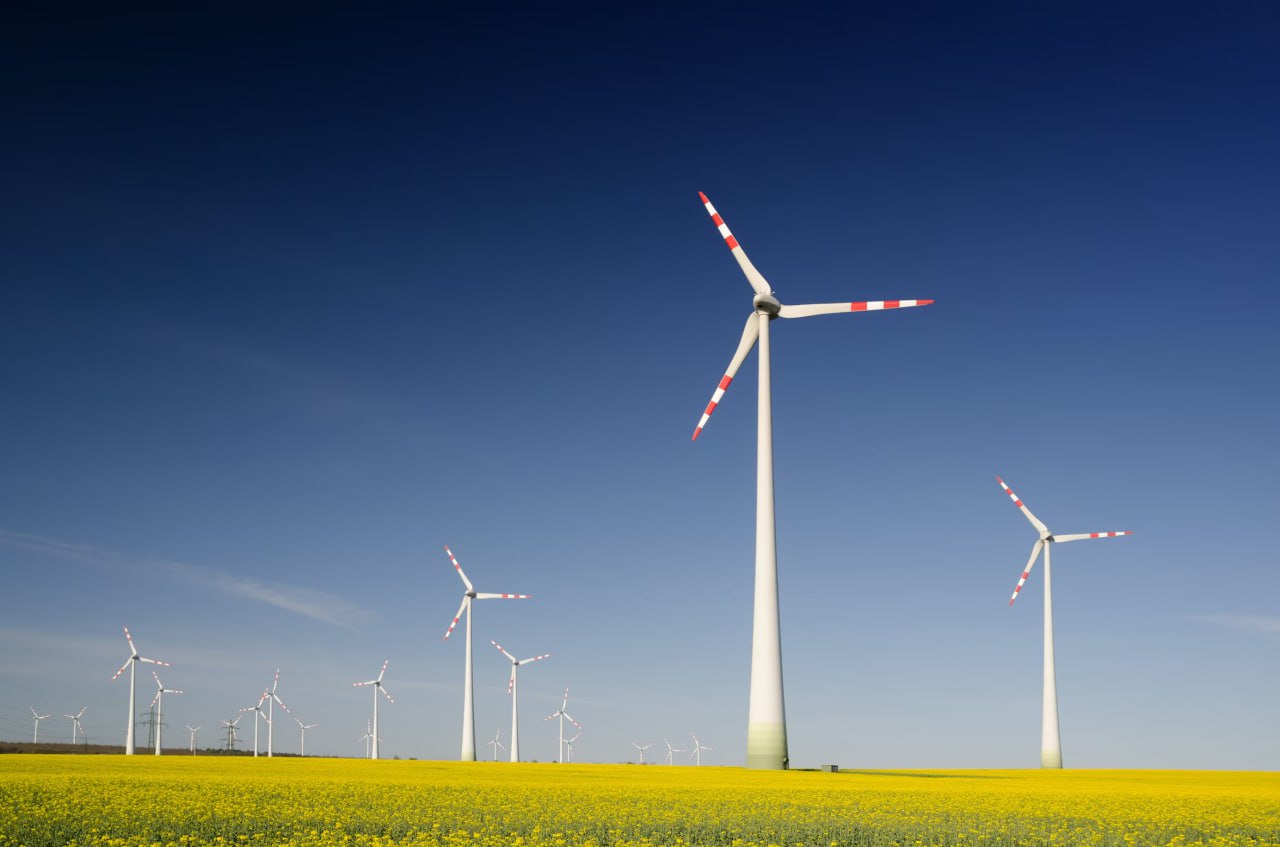
Discussion of a strategy for developing “green” energy and creating the necessary enterprises is already in full swing in Ukraine. For example, biogas and biomethane production plants, which we have written about before, industrial solar power plants, wind power plants, and so on.
It is important that the “debt for climate” concept starts being considered now, and not by some separate department or specialised association, but at the level of the Cabinet of Ministers. This way, we could solve several issues at once: reduce the debt burden owed to the international community, address environmental issues, and promote Ukraine’s economic resilience in the future.
Coordinated and well-considered work in developing strategic initiatives is the foundation of Ukraine’s economic resilience!